Follow us on Youtube, Tik Tok, Facebook and Instagram

From Chaos to Clarity: How Decluttering Your Space and Mind Can Transform Your Life
Discover how decluttering your environment and thoughts can lead to greater peace, focus, and emotional well-being. Learn practical strategies to simplify your life, reduce stress, and create space for clarity and purpose.
6/18/20258 min read
The Importance of Decluttering: Creating Space for Clarity, Calm, and Transformation
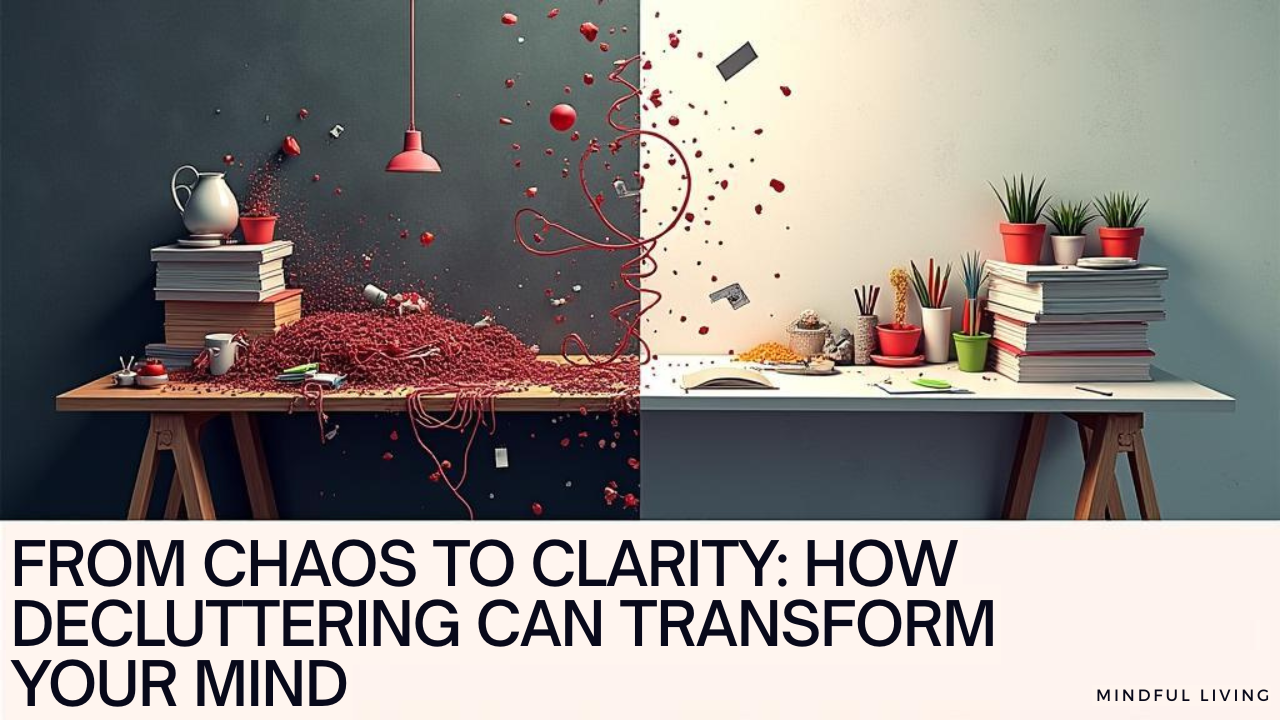
In our fast-paced, hyper-connected world, it’s easy to feel overwhelmed by the sheer volume of things—possessions, responsibilities, digital distractions, and even emotional clutter. We accumulate not just physical items, but mental noise and emotional baggage that weigh us down and cloud our clarity. Amid this chaos, the practice of decluttering emerges not as a fleeting trend, but as a transformative lifestyle choice. It’s a conscious decision to simplify, to let go, and to create space—both externally and internally—for what truly matters. Decluttering is more than tidying up. It’s about reclaiming control, restoring balance, and cultivating peace. It’s about recognizing that our environments reflect our inner worlds, and that by clearing the clutter around us, we can begin to clear the clutter within us. This essay explores the deeper significance of decluttering, offers practical steps to begin the process, and highlights the profound connection between outer order and inner transformation. Why Decluttering Matters: Beyond the Surface At first glance, decluttering may seem like a superficial task—organizing a closet, cleaning out a junk drawer, or deleting old emails. But beneath these actions lies a powerful psychological shift. Clutter, whether physical or mental, creates noise. It distracts us, drains our energy, and contributes to feelings of stress and anxiety. When our surroundings are chaotic, our minds often mirror that chaos.
The Psychology of Clutter Research shows that clutter can negatively impact our mental health. It increases cortisol levels, impairs focus, and contributes to decision fatigue. In contrast, organized spaces promote calm, clarity, and creativity. They allow us to think more clearly, feel more grounded, and function more effectively. Clutter also carries emotional weight. Items we hold onto out of guilt, obligation, or fear can keep us tethered to the past. Letting go of these items is not just a physical act—it’s an emotional release. It’s a way of saying, “I’m ready to move forward.” Steps to Declutter Your Space: From Chaos to Clarity Decluttering doesn’t have to be overwhelming. By approaching it with intention and breaking it into manageable steps, you can transform your space—and your mindset—one area at a time. 1. Start Small Begin with a single space—a drawer, a shelf, a corner of a room. Starting small builds momentum and prevents burnout. Choose a space that you interact with daily, so you can immediately feel the impact. 2. Set Clear Intentions Before you begin, ask yourself: What do I want to feel in this space? Peace? Inspiration? Productivity? Let your intention guide your decisions.
Decluttering is not just about removing items—it’s about creating an environment that supports your goals and values. 3. Use the Joy and Purpose Test As you sort through items, ask two key questions: Does this item serve a purpose? Does it bring me joy? If the answer is no, consider letting it go. This technique, popularized by Marie Kondo, encourages mindful decision-making and emotional clarity. 4. Create Categories Sort items into categories: keep, donate, recycle, discard. This structure simplifies the process and helps you stay organized. Be honest with yourself—if you haven’t used or appreciated something in the last year, it may be time to part ways. 5. Organize What Remains Once you’ve decluttered, organize the remaining items in a way that’s functional and aesthetically pleasing. Use containers, labels, and systems that make sense for your lifestyle. The goal is to create ease and accessibility. 6. Maintain the Momentum
Decluttering is not a one-time event—it’s an ongoing practice.
Schedule regular check-ins to reassess your space and make adjustments. Cultivate habits that prevent clutter from accumulating again. Connecting Outer Order to Inner Transformation Decluttering is not just about creating a tidy home—it’s about creating a life that feels aligned, intentional, and free. As we clear our physical spaces, we often experience a corresponding shift in our mental and emotional states. Mental Clarity A clean, organized space reduces visual distractions and mental noise. It allows us to focus, think creatively, and make decisions with greater ease. It’s like clearing a fog from the windshield—suddenly, the path ahead becomes visible. Emotional Release Letting go of items tied to past experiences can be deeply healing. It’s a way of honoring your journey while making space for new chapters. Decluttering can help you process grief, release guilt, and embrace change. Enhanced Productivity When your environment is streamlined, your energy flows more freely. You spend less time searching for things, less time feeling overwhelmed, and more time engaging in meaningful activities. Productivity becomes a natural byproduct of clarity. Reduced Anxiety Clutter can create a sense of chaos and lack of control. By organizing your space, you create a sanctuary—a place where you feel safe, calm, and empowered. This sense of control can significantly reduce anxiety and improve overall well-being.
Decluttering Beyond the Physical: Digital and Emotional Spaces Decluttering isn’t limited to physical items.
Our digital and emotional landscapes also benefit from intentional clearing. Digital Decluttering Our devices are often cluttered with emails, files, apps, and notifications. This digital noise can be just as overwhelming as physical clutter. Unsubscribe from emails that no longer serve you. Organize files into folders and delete duplicates. Limit screen time and turn off unnecessary notifications. A clean digital space supports focus, reduces stress, and enhances your relationship with technology. Emotional Decluttering Emotional clutter includes unresolved feelings, toxic relationships, and limiting beliefs. Decluttering your emotional space involves: Journaling to process emotions. Setting boundaries with draining individuals. Challenging negative self-talk and replacing it with affirmations. Emotional decluttering is an act of self-love. It’s about creating space for joy, peace, and authenticity.
Decluttering as a Mindful Practice Decluttering can be a deeply mindful experience. It invites you to slow down, reflect, and make intentional choices. It’s an opportunity to reconnect with your values, your goals, and your sense of self. Ritualizing the Process Turn decluttering into a ritual. Light a candle, play calming music, and approach the task with reverence. Treat it as a sacred act of renewal—a way to honor your space and your journey. Practicing Gratitude As you let go of items, express gratitude for their role in your life. Thank them for the memories, the lessons, or the function they served. This practice fosters closure and emotional peace.
Final Reflection: Embrace the Journey from Chaos to Clarity Decluttering is not about perfection—it’s about intention.
It’s about creating space for what matters, releasing what no longer serves you, and aligning your environment with your inner truth. It’s a journey from chaos to clarity, from overwhelm to peace, from stagnation to transformation. So, dear reader, take a deep breath. Look around your space. What feels heavy? What feels light? What are you ready to release? Begin where you are. Start small. Stay consistent. And remember—every item you let go of, every space you clear, every moment of mindfulness you cultivate brings you closer to a life of clarity, calm, and joy. You deserve a space that reflects your brilliance. You deserve a life that feels spacious and free. Embrace the power of decluttering, and watch your world transform.